
"Mitsubishi Chemical"
7000 article(s) found

Chemical reaction of coffee beans in roasting
Coffee has a rich, wide range of flavors. Coffee produced in different regions, different elevations, different climates and different producing areas has its own unique characteristics. Raw beans are fragrant and have no usual coffee taste at all; the taste of coffee comes from proper roasting. Show fruity (light roasting) or caramel sweetness (deep roasting). The lighter the baking, the more sour it tastes. Baking.
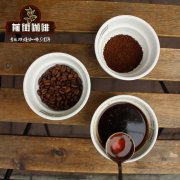
What physical changes occur when coffee is roasted? What are the changes in the sodium metanide reaction and caramelization?
Roasting converts coffee beans from green to ripe, rich in aroma and flavor, but do you know what happens during roasting? When we roast beans, it is mainly divided into physical and chemical changes. This article is the first of two series. Let's first take a look at what happens to coffee beans during roasting. The importance of physical structure The layered structure of coffee beans for roasting out what we want
Chemical effects in the process of milk foaming
Assuming that all cows grow in the same place and eat the same food, the following three factors have a direct impact on milk: Lactose, milk fat and protein content.

What is the effect of coffee treatment on the chemical composition and flavor of coffee beans?
Professional coffee knowledge exchange more coffee bean information please follow the coffee workshop (Wechat official account cafe_style) Why sun-dried beans taste different from water-washed beans? What makes the sweetness of honey handling coffee more obvious? The method of raw bean treatment has a great influence on the flavor, aroma and alcohol thickness of coffee, and it is also an important difference for many people to choose coffee beans. This article lets us

Basic training of baristas Chemical composition of Coffee
Caffeine: caffeine is the most eye-catching of all the ingredients in coffee. It belongs to a kind of phytoxanthin (animal muscle component). It has the same properties as theobromine contained in cocoa, green tea contains the same theophylline, and the percentage of reduction after baking is very small. Caffeine has a very wide range of effects. will affect the human brain, heart, blood vessels, gastrointestinal, muscle and kidney and other parts, the right amount of coffee
Basic chemical reactions in the roasting process of coffee in both Chinese and English
Original: Basic Chemical Reactions Occurring in the Roasting Process by Carl Staub sourced from the SCAA Roast Color Classification System developed by Agtron-SCAA in 1995 Many thermal and chemical reactions occur during the roasting proces
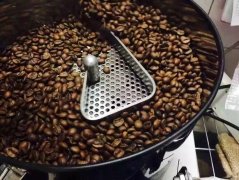
Explanation of the basic chemical reaction of coffee roasting in both Chinese and English
Original: Basic Chemical Reactions Occurring in the Roasting Process by Carl Staub sourced from the SCAA Roast Color Classification System developed by Agtron-SCAA in 1995 Many thermal and chemical reactions occur during the roasting proces

Introduction to coffee roasting training-basic chemical reactions in the coffee roasting process
Professional coffee knowledge exchange more coffee bean information please follow the coffee workshop (Wechat official account cafe_style) Coffee roasting skills Collection | the purpose of coffee roasting and the characteristics of coffee beans except in the home-barista.com forum, the word MET is rarely seen. MET is not a number, but the most time segment in the whole baking process.

What is the chemical composition of a cup of coffee?
Caffeine is the most eye-catching of all the ingredients of coffee. It belongs to a kind of phytoxanthin (animal muscle component). It has the same properties as theobromine contained in cocoa, green tea contains the same theophylline, and the percentage of reduction after baking is very small. Caffeine has a very wide range of effects. will affect the human brain, heart, blood vessels, gastrointestinal, muscle and kidney and other parts, the right amount of coffee
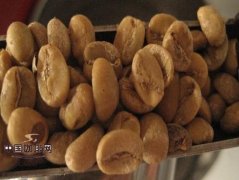
Chemical reflection of coffee in roasting knowledge of roasting coffee beans
Coffee has a rich, wide range of flavors. Coffee produced in different regions, different elevations, different climates and different producing areas has its own unique characteristics. Raw beans are fragrant and have no usual coffee taste at all; the taste of coffee comes from proper roasting. Show fruity (light roasting) or caramel sweetness (deep roasting). The lighter the baking, the more sour it tastes. Baking.

The chemical composition of coffee what are the ingredients in coffee beans?
Caffeine: caffeine is the most eye-catching of all the ingredients in coffee. It belongs to a kind of phytoxanthin (animal muscle component). It has the same properties as theobromine contained in cocoa, green tea contains the same theophylline, and the percentage of reduction after baking is very small. Caffeine has a very wide range of effects. will affect the human brain, heart, blood vessels, gastrointestinal, muscle and kidney and other parts, the right amount of coffee

Do you have to understand the chemical reaction in coffee roasting? the change of coffee beans in the boiler
Communication among professional baristas follow the coffee workshop (official Wechat account cafe_style) aside, the physical changes of coffee beans during heating are already quite complex: the same bean is fried in the same way (that is, the same roasting curve), but the taste is not necessarily the same. Some enthusiasts like to stick graphs on their bags when communicating, although this is helpful to test beans.
Why is coffee bitter?
Why is coffee bitter? This problem has plagued scientists for decades. Now, scientists have narrowed down their research and targeted two chemical molecules. At the annual meeting of the American Chemical Society, scientists reported that the two bitter chemical molecules were produced during the processing of coffee, a discovery that may cause coffee to be added.
Why is pure coffee bitter?
Why is coffee bitter? This problem has plagued scientists for decades. Now, scientists have narrowed down their research and targeted two chemical molecules. At the annual meeting of the American Chemical Society, scientists reported that the two bitter chemical molecules were produced during the processing of coffee, a discovery that may cause coffee to be added.
Understand why coffee is bitter?
Why is coffee bitter? This problem has plagued scientists for decades. Now, scientists have narrowed down their research and targeted two chemical molecules. At the annual meeting of the American Chemical Society, scientists reported that the two bitter chemical molecules were produced during the processing of coffee, a discovery that may cause coffee to be added.
Chemical composition of milk in fine coffee
Milk is made up of protein, fat and sugar. Protein is the medium of foaming, and when the air is pumped into the milk, the protein forms a thin film around the air, wrapping the air to form bubbles. Fat inhibits and destroys the foaming process, although whole milk produces softer foam than skim milk and unfortified milk

Basic knowledge of boutique coffee Why is coffee bitter?
Why is coffee bitter? This problem has plagued scientists for decades. Now, scientists have narrowed down their research and targeted two chemical molecules. At the annual meeting of the American Chemical Society, scientists reported that the two bitter chemical molecules were produced during the processing of coffee, a discovery that may cause coffee to be added.

Basic knowledge of coffee Why is coffee bitter?
Why is coffee bitter? This problem has plagued scientists for decades. Now, scientists have narrowed down their research and targeted two chemical molecules. At the annual meeting of the American Chemical Society, scientists reported that the two bitter chemical molecules were produced during the processing of coffee, a discovery that may cause coffee to be added.

Why is pure coffee bitter?
Why is coffee bitter? This problem has plagued scientists for decades. Now, scientists have narrowed down their research and targeted two chemical molecules. At the annual meeting of the American Chemical Society, scientists reported that the two bitter chemical molecules were produced during the processing of coffee, a discovery that may cause coffee to be added.

Why is pure coffee bitter?
Why is coffee bitter? This problem has plagued scientists for decades. Now, scientists have narrowed down their research and targeted two chemical molecules. At the annual meeting of the American Chemical Society, scientists reported that the two bitter chemical molecules were produced during the processing of coffee, a discovery that may cause coffee to be added.